
About New Orleans
New Orleans, Louisiana, a city synonymous with jazz, vibrant culture, and delectable cuisine, offers a unique living experience unlike anywhere else in the United States.
This guide dives deep into the intricacies of life in the "Big Easy," covering everything from its real estate market and commute options to its distinct lifestyle and the unavoidable pros and cons of calling it home.
Current Listings in New Orleans




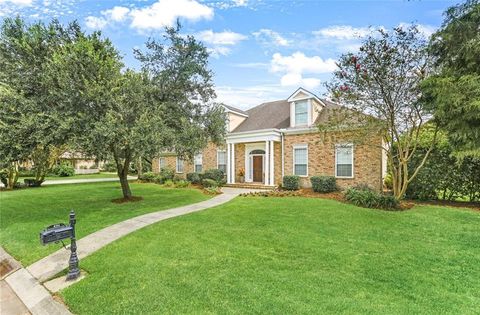
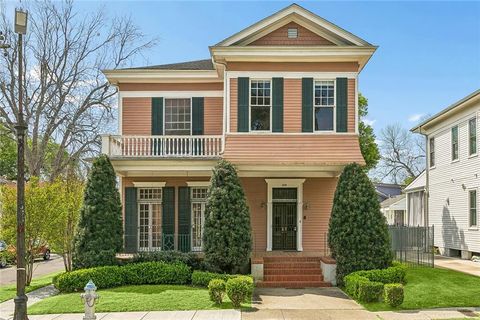
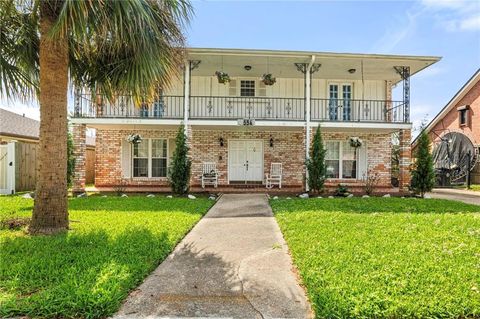

Location & Commute
New Orleans is situated in southeastern Louisiana, nestled along the Mississippi River and Lake Pontchartrain. Its geographical location has significantly shaped its history and culture.
The city is divided into numerous distinct neighborhoods, each boasting its own unique character, from the historic French Quarter to the lively Garden District and the up-and-coming Bywater. Commuting in New Orleans can be challenging, especially during peak hours.
While car ownership is common, the city also offers public transportation options, including streetcars, buses, and ferries. Biking is a popular alternative for shorter distances, particularly in neighborhoods with dedicated bike lanes. Parking can be scarce and expensive, especially in the downtown area and during festivals.
Housing Market
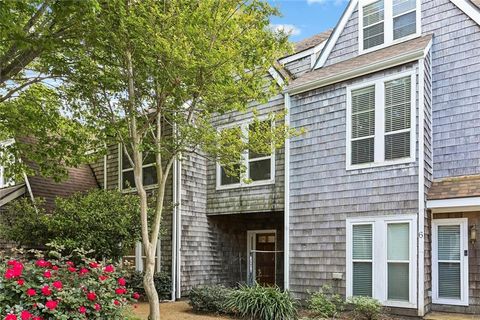
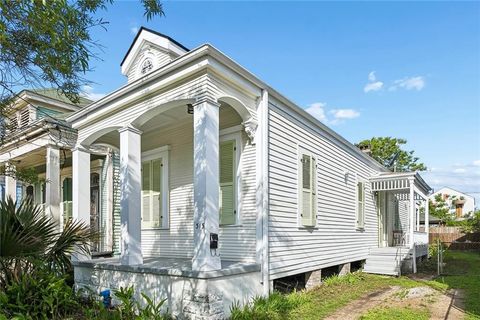
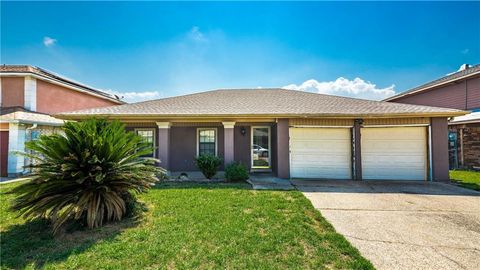
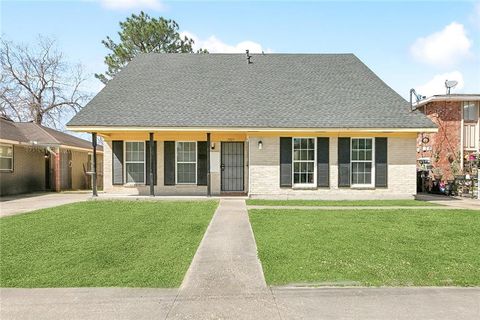
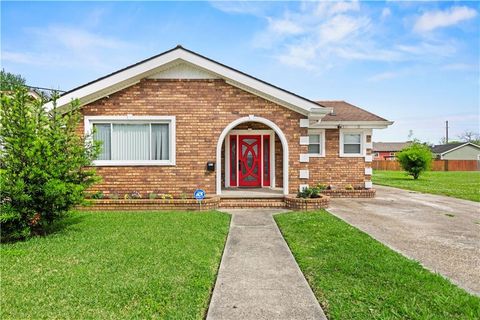
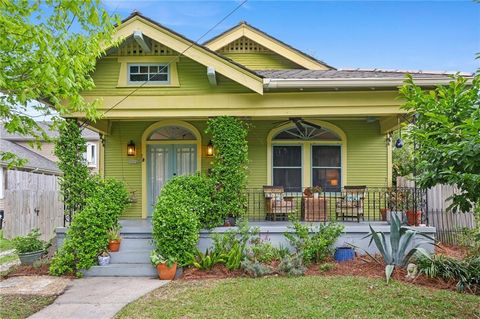
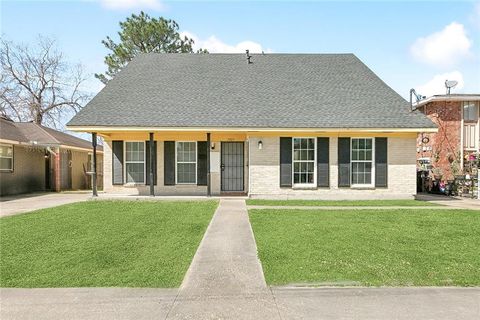
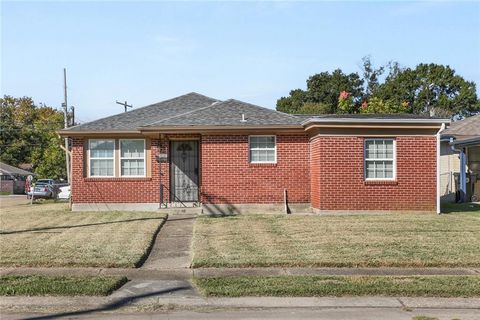
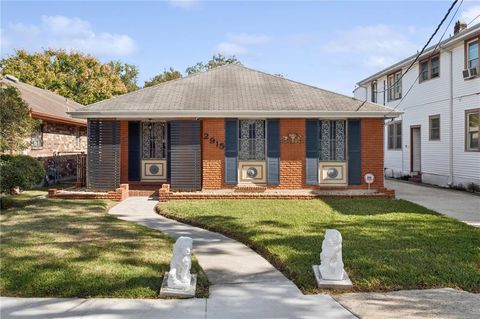
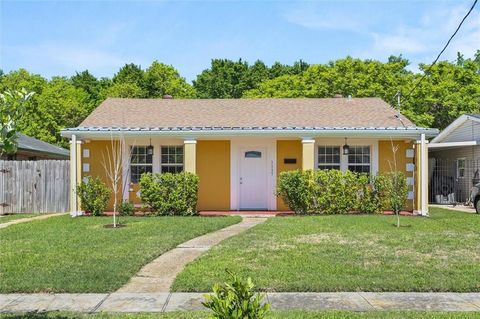
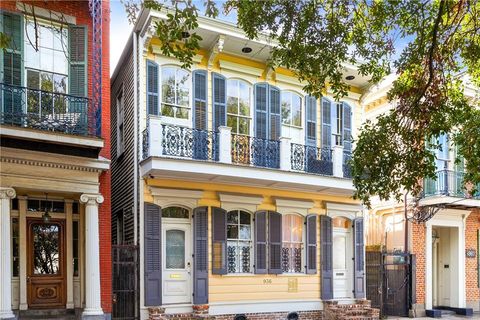
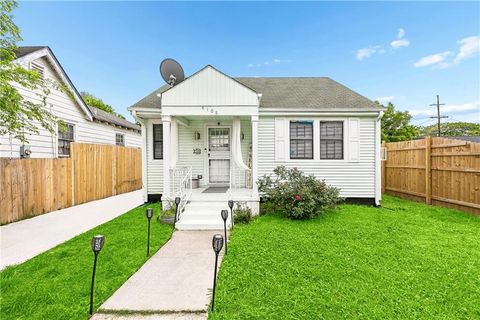
The New Orleans housing market is diverse, featuring a mix of historic homes, modern condos, and renovated properties. Architectural styles vary greatly from neighborhood to neighborhood, ranging from Creole townhouses in the French Quarter to grand mansions in the Garden District and colorful shotgun houses scattered throughout the city.
Home prices can range widely, reflecting the diverse housing stock and location. Rental options are plentiful, catering to students, young professionals, and those seeking a more transient lifestyle. Property taxes and insurance costs, especially flood insurance, should be carefully considered when evaluating the affordability of homeownership in New Orleans. Many areas are prone to flooding, making flood insurance a significant expense.
Lifestyle
Life in New Orleans revolves around music, food, and celebration. The city is renowned for its vibrant music scene, with live performances readily available in bars, clubs, and on street corners.
The culinary scene is equally impressive, showcasing a blend of Creole, Cajun, and international flavors. Festivals are a regular occurrence, celebrating everything from jazz and food to culture and art. Mardi Gras, the city's most famous festival, draws millions of visitors each year.
New Orleans offers a variety of recreational activities, including exploring City Park, visiting the Audubon Zoo, and taking a swamp tour. The city also has a strong sense of community, with residents actively involved in local events and initiatives.
Pros & Cons
- Pros:
- Unique and vibrant culture.
- Exceptional food scene.
- Lively music scene.
- Strong sense of community.
- Relatively affordable cost of living compared to other major US cities.
- Cons:
- High crime rate in certain areas.
- Susceptibility to hurricanes and flooding.
- Limited job market compared to other major cities.
- High property taxes and insurance costs.
- Challenging commute and parking situation.
FAQ about New Orleans
- Q: Is New Orleans a safe place to live?
- A: While New Orleans has a higher crime rate than the national average, certain neighborhoods are safer than others. Researching specific areas and taking common-sense precautions is crucial for ensuring personal safety.
- Q: What is the best time of year to visit or move to New Orleans?
- A: Spring and fall offer the most pleasant weather, avoiding the intense heat and humidity of summer. However, these are also peak tourist seasons. Winter can be mild, but occasional cold snaps occur.
- Q: How is the job market in New Orleans?
- A: The job market in New Orleans is primarily driven by tourism, hospitality, healthcare, and the energy industry. Competition can be fierce, and salaries may be lower than in other major metropolitan areas.